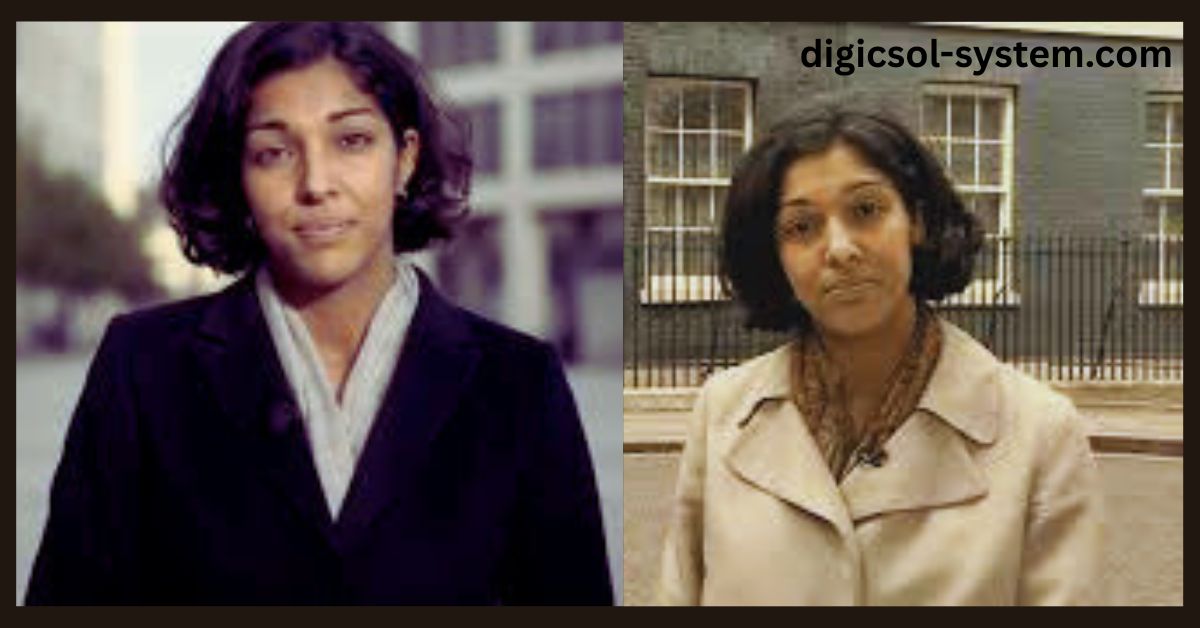

In the fast-paced world of political journalism, some voices cut through the noise with clarity, insight, and a dedication to the facts. Leila Nathoo, a familiar face to viewers of BBC News, is one such journalist. As a Political Correspondent, she has reported from the heart of Westminster, translating complex political events into understandable stories for millions. Her journey to becoming a trusted correspondent for one of the world’s most respected news organizations is a story of hard work, adaptability, and a deep-seated passion for journalism.
This article explores the career path of Leila Nathoo, from her early days in regional news to her current role covering the biggest political stories shaping the United Kingdom. We will look at her educational background, the key roles that defined her professional growth, and the unique skills she brings to political reporting.
The Foundation: Education and Early Career
Every successful career begins with a solid foundation. For Leila Nathoo, this foundation was built through dedicated study and early hands-on experience in the competitive field of broadcast journalism. Her academic pursuits laid the groundwork for the analytical and communication skills essential for a political correspondent.
Academic Beginnings
Leila Nathoo attended the University of Manchester, where she studied Politics and Modern History. This combination of subjects provided her with a comprehensive understanding of both contemporary political systems and the historical context that shapes them. A degree in politics and history is a natural fit for an aspiring political journalist, offering deep insights into ideologies, governmental structures, and the long-term trends that influence current events.
Following her undergraduate studies, she pursued a postgraduate qualification to hone her practical journalism skills. She enrolled at City, University of London, one of the UK’s most prestigious institutions for journalism training. There, she completed a Postgraduate Diploma in Broadcast Journalism. This specialized program is designed to equip students with the essential skills for a career in radio and television news, including reporting, editing, presenting, and media law. This formal training was a crucial step in preparing her for the technical and ethical demands of working in a modern newsroom.
Stepping into Regional News
After completing her education, Nathoo began her professional journey in regional news, a common and invaluable starting point for many of the UK’s top journalists. She joined the team at BBC South East Today, the corporation’s regional news program for Kent, Sussex, and parts of Surrey.
Working in regional news provides a unique and challenging training ground. It requires journalists to be versatile, covering a wide range of stories from local council meetings and community events to major crime and human-interest pieces. This experience allowed Nathoo to develop her core reporting skills. She learned how to find compelling stories, conduct effective interviews, write concise scripts for broadcast, and work under the pressure of daily deadlines. It was here that she mastered the art of connecting with an audience and telling stories that matter to people’s everyday lives. Her time at BBC South East Today was instrumental in building the confidence and competence needed to advance in her career.
Rising Through the Ranks at the BBC
Leila Nathoo’s talent and dedication were soon recognized, leading to opportunities to move from regional reporting to a national stage. Her progression within the BBC network highlights her adaptability and her growing expertise as a political specialist.
Transition to National News
The move from a regional newsroom to the BBC’s national headquarters in London is a significant milestone for any journalist. Nathoo made this transition and began working across various BBC platforms, including the BBC News Channel and the flagship BBC News at Six and Ten bulletins. This move exposed her to a broader range of stories and a larger, more diverse audience.
As a national news correspondent, she covered a variety of topics, demonstrating her versatility. However, her deep understanding of politics and her ability to explain complex policy issues with clarity soon marked her as a natural fit for the Westminster team. She began to focus more on political stories, building a reputation for insightful and impartial reporting.
Becoming a Political Correspondent
In 2017, Leila Nathoo was appointed as a BBC Political Correspondent. This role placed her at the very center of UK politics, based in Millbank, Westminster. As part of the BBC’s esteemed political team, her responsibilities grew significantly. A political correspondent’s job is to report on the activities of the government, Parliament, and political parties. This involves everything from covering Prime Minister’s Questions and major legislative debates to analyzing policy announcements and reporting on the inner workings of Whitehall.
Nathoo quickly became a regular presence on television screens, providing live updates from Downing Street, explaining the implications of new budgets, and covering the twists and turns of general elections and party leadership contests. Her reporting is characterized by a calm and authoritative delivery, helping viewers make sense of often chaotic political developments. She has reported on some of the most consequential political events in recent British history, including the final stages of the Brexit negotiations, the COVID-19 pandemic response, and multiple changes in government leadership.
Her work requires not just an understanding of policy but also the ability to build sources, interpret political maneuvering, and hold power to account. This is a role that demands impartiality, accuracy, and the ability to work long, unpredictable hours, and Nathoo has consistently proven she is more than capable of meeting these demands.
The Art of Political Reporting
What makes a good political correspondent? It is more than just reporting who said what. It is about providing context, analysis, and a human perspective on the decisions made by those in power. Leila Nathoo excels in this regard.
Her reporting style is clear and accessible. She avoids jargon and focuses on explaining how political developments will affect ordinary people. Whether she is reporting on a change in tax policy or a new piece of environmental legislation, she connects the high-level politics of Westminster to the real-world impact on households and communities across the country.
Furthermore, her background in modern history gives her the ability to place current events in a broader context. This historical perspective is invaluable in political journalism, as it helps to explain the origins of current conflicts, the evolution of party ideologies, and the recurring patterns in political behavior. By understanding the past, she is better able to analyze the present and provide viewers with a more complete picture.
In an era of increasing political polarization and misinformation, the role of a trusted, impartial journalist has never been more important. Leila Nathoo’s career is a testament to the enduring value of public service broadcasting and the dedication of journalists who work to keep the public informed. Her journey from a student of politics to a leading voice in the BBC’s political coverage is an inspiring example of how passion and hard work can lead to a career at the heart of national life.
Frequently Asked Questions (FAQ)
What is Leila Nathoo’s role at the BBC?
Leila Nathoo is a Political Correspondent for BBC News. She reports on UK politics from Westminster for various BBC platforms, including television and online news.
Where did Leila Nathoo study?
She studied Politics and Modern History at the University of Manchester. She later earned a Postgraduate Diploma in Broadcast Journalism from City, University of London.
What was Leila Nathoo’s first job in journalism?
Her early career began in regional news, where she worked as a reporter for BBC South East Today.
What kind of stories does a Political Correspondent cover?
A Political Correspondent covers the activities of the UK government, Parliament, and political parties. This includes reporting on new laws, policy announcements, elections, and major political events like party conferences and leadership contests.
Why is her reporting style considered effective?
Her reporting is known for being clear, calm, and accessible. She excels at explaining complex political issues in a way that is easy to understand, focusing on the real-world impact of political decisions on the public.